


How Many People Use Ubuntu and ChromeOS as Their Primary Computer in 2026?
How many people use Ubuntu and ChromeOS – When discussing desktop operating systems, Windows and macOS usually hog the spotlight. However, underneath the mainstream radar lies a highly dedicated and rapidly growing user base powered by open-source technology: Ubuntu (Linux) and ChromeOS (Chromebooks).
But how many people use Ubuntu and ChromeOS as their primary desktop computer today? We have analyzed the latest web traffic and market share statistics for 2026 to give you an accurate overview.
ChromeOS: From Classroom Novelty to a Everyday Primary Companion in 2026
ChromeOS, which runs Google’s Chromebooks, has successfully transitioned over the past few years from being a niche platform for schools to a legitimate choice for everyday consumers and remote professionals.
What is the market share in 2026?
According to global operating system statistics from early 2026, ChromeOS holds a steady global desktop market share of roughly 1.5% to 2.5%. However, these global averages do not tell the full story:
- Regional Dominance: In the United States, Chromebook adoption remains significantly higher, commanding over 5.5% of the desktop market.
- Why people use it as a primary computer: Users choose ChromeOS for its rapid boot times, long battery life, and near-zero maintenance. Because modern daily workflows rely heavily on cloud-based applications (like Google Workspace, Microsoft 365, and web browsers), a Chromebook easily serves as a fast, secure, and affordable primary machine.
Ubuntu & Linux: The Ultimate Toolkit for Developers and Privacy Enthusiasts
Pinpointing exactly how many individuals use Ubuntu as their primary computer is slightly more complex. Ubuntu is a distribution of Linux, an ecosystem deeply rooted in privacy and data security. Because Linux users often block tracking scripts, traditional analytics frequently undercount them.
The 2026 Linux Breakthrough
Linux has experienced a massive surge in desktop popularity over the last few years. Heading into mid-2026, global desktop Linux market share has solidified at approximately 3% to 4% globally. In tech-heavy regions or countries with digital literacy initiatives, that number climbs significantly higher (reaching over 5% in countries like France).
Since Ubuntu is widely recognized as the most deployed and user-friendly flavor of Linux, it commands the lion’s share—about 33.9%—of all desktop Linux installations.
- Who uses it as a primary computer? Software engineers, data scientists, system administrators, and digital privacy advocates. For these professionals, Ubuntu is not a secondary choice; it is their primary daily driver.
- Why they choose it: It is completely free, open-source, immune to standard Windows malware, and grants the user absolute control over their hardware without forced telemetry, advertising, or unexpected updates.
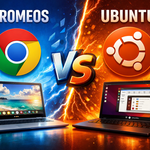
Direct Comparison: ChromeOS vs. Ubuntu on the Desktop (2026 Data)
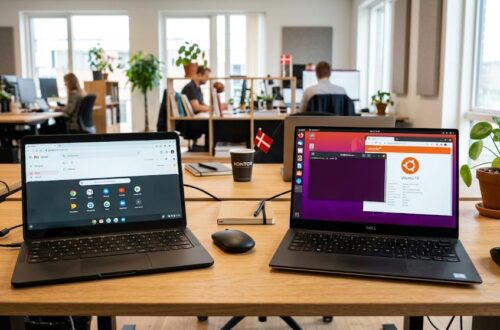
While both operating systems share a historical technical foundation (the Linux kernel), they cater to completely different types of primary users.
| Feature / Factor | ChromeOS (Chromebook) | Ubuntu (Linux) |
| 2026 Global Desktop Share | Approx. 1.5% – 2.5% (Up to 5.5% in the US) | Approx. 3.0% – 4.0% (Ubuntu making up over a third) |
| Primary Target Audience | Students, casual users, enterprise cloud workers | Developers, system admins, privacy enthusiasts |
| Core Strength | Instantly ready, secure, seamless cloud integration | Full hardware freedom, powerful terminal, ideal for coding |
| Core Limitation | Heavily reliant on internet, limited local legacy apps | Steeper learning curve for users migrating from Windows |
Conclusion: Are They Ready to Be Your Primary PC in 2026?
Absolutely. While Microsoft Windows still holds the lion’s share of the global desktop market, 2026 trends reveal that millions of users have permanently walked away from traditional operating systems.
If your daily routine revolves around browsing, streaming, and cloud productivity apps, a Chromebook is arguably the lowest-maintenance primary computer you can buy. On the other hand, if you value privacy, require absolute control over your machine, or write software for a living, Ubuntu stands as the ultimate desktop workspace.
Sources for this article Statcounter Global Stats and W3Techs and Wikipedia Usage Share